One Great Shot: Spectre (2015)

Preamble

Truth be told, choosing Spectre’s one great shot took a while. That’s not a slight on the film, but an illustration of how tricky choosing one image to talk about is. But much like the shots from Casino Royale and Quantum of Solace spoke to one another, so does the shots from Skyfall and Spectre. What’s your favourite shot from Spectre? Let me know in the comments below.

One Great Shot: Spectre

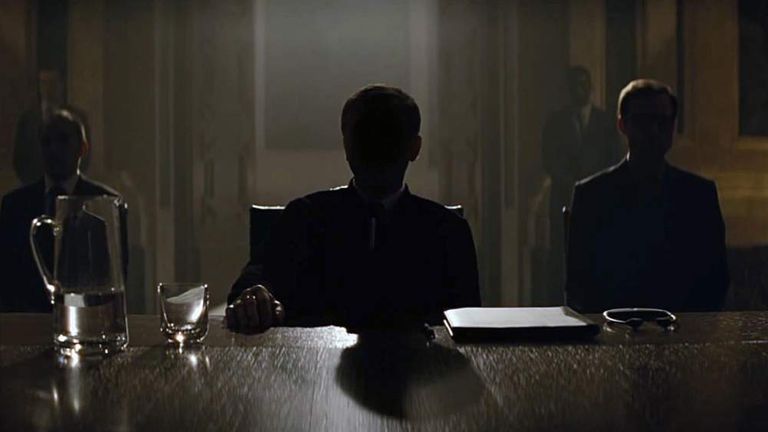
Despite being underwhelming in many regards, Spectre does at least visually interest in a way that’s distinct from Skyfall. In keeping with the themes of the movie, there’s something ghostly and chilling about Hoyte van Hoytema’s cinematography. To this end, the same applies to the above shot from the film.

At the point in which Bond infiltrates Spectre’s meeting, Oberhauser is much like a ghost to the secret agent. This lends the character with a unique and startling presence. Having the character obscured also feels like a homage to Blofeld’s appearances in the early Connery films where the character’s face was always covered up.

Much like Skyfall, director Sam Mendes in collaboration with his cinematographer seeks to imbue his Bond films with moments that harken back to cinematic history. To this end, the shot of Oberhauser’s face covered at the Spectre meeting feels in keeping with the shadowy and smoke-filled Film Noirs. It splits the difference between cinematic homage, an allusion to an aspect of the Bond franchise and thematic resonance.

Posted in 2021, One Great Shot | Tagged , , , , , , , , , , | Leave a comment

One Great Shot: Skyfall (2012)

Preamble

To quote Gandalf from The Return of the King, “We come to it at last.” Skyfall is my favourite James Bond film for many reasons. One of them has to do with the shot under discussion. So, without further ado, let’s get into it. What’s your favourite shot from Skyfall? Let me know in the comments below.

One Great Shot: Skyfall

Aside from the four years that it took to come to the big screen, Skyfall would also mean a lot to audiences because it came out just in time for the 50th anniversary of the Bond franchise. Rather than being a bludgeoning nostalgia-fest like Die Another Day, Skyfall tastefully celebrates the movie series.

One of the subtle ways in which it does this comes from a recurring form of imagery. Starting from the first shot that sees Bond’s silhouette come into frame, Skyfall plays with silhouettes in a number of contexts. In conception, they feel like a homage to the iconic gun barrel sequence that has graced nearly every entry in the series.

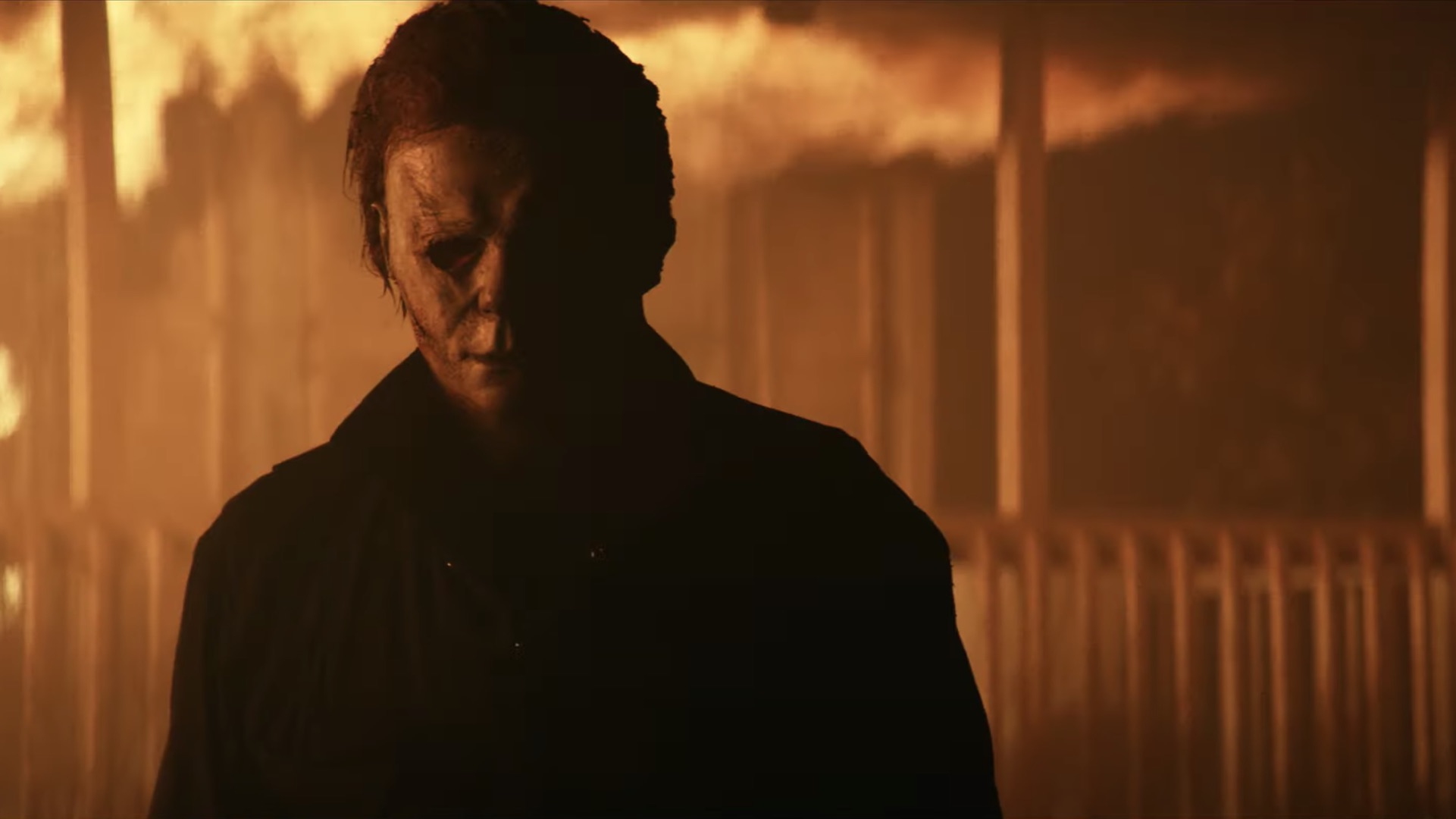
Crucially, the shot of Silva (Javier Bardem) in silhouette amid the backdrop of Bond’s burning childhood home is striking. At the same time, it marries up with one of the themes of the film. At this point in his career as 007, Silva is contrasted with the British Agent as a mirror of what he could have become. Both men are highly capable agents who in some way have been spurned by their boss- M (Judi Dench), who represents a maternal figure for the pair. In fact, Silva has some quite pointed dialogue about this notion throughout the film.

Roger Deakins’s stunning cinematography (particularly in the use of silhouette) is a means for Bond to be cast in a larger than life manner. It’s almost as though they cement the iconic status of the character after the first two films depicted his beginning. By the same token, Silva is given a similar treatment, existing as a shadow version of Bond, who is responsible for stripping away part of the character’s identity, by burning his childhood home (Skyfall). In this way, the shot is akin to something from a feverish and apocalyptic dream.

Much like the film itself, the shot is a distillation for Skyfall’s knack for providing iconic shading for a character that’s existed in our collective cinematic consciousness for over fifty years.

Posted in 2021, One Great Shot | Tagged , , , , , , , , , | Leave a comment

One Great Shot: Quantum of Solace (2008)

Preamble

Is there a good shot in Quantum of Solace? Based on its reputation, you’d be inclined to say no. However, setting aside the mixed reception, odd title and the writer’s strike crippling the screenplay, there’s a shot worth discussing. What’s your favourite shot from Quantum of Solace? Let me know in the comments below.

One Great Shot: Quantum of Solace

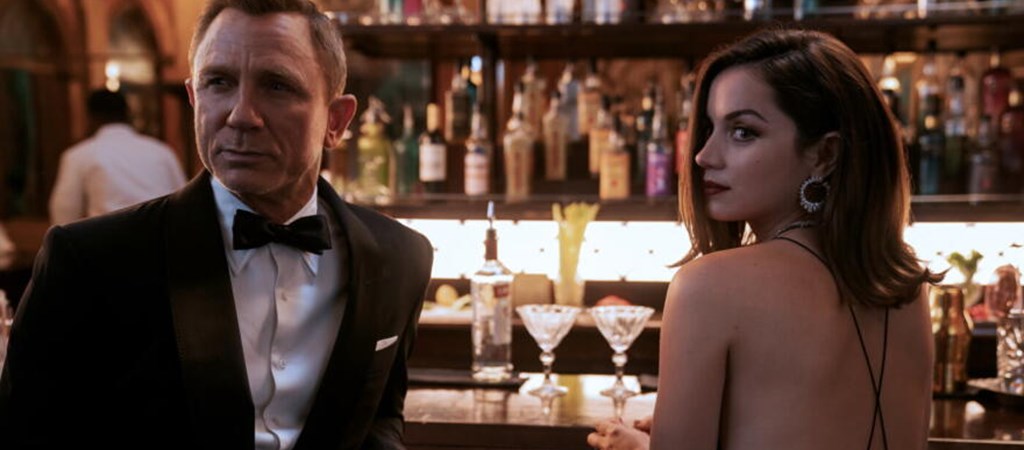
Quantum of Solace represents the first sequel in the Bond franchise. With that in mind, there’s a potential for expanding on 007’s character. This shot (and by extension the short scene) of the secret agent drinking with Mathis realises that promise. At first blush, the shot illustrates how Daniel Craig embodies a particular quality of Ian Fleming’s novel portrait of the character. He comes across as a disgruntled government employee, who has a heavy penchant for drinking etc.

But the more I look at the shot, the more I realise that Craig’s Bond at this moment is trying to mask a deep-seated pain. There’s also a sense of emptiness that pervades the character too. The power of this shot (much like the scene itself) is in how much Bond is trying not to say. But the near stony silence throughout his conversation with Mathis does speak volumes. Crucially, he nonchalantly asks the bartender to list the ingredients in his drink to Mathis.

By itself, this is not a huge deal. But in Casino Royale, Bond dubs his signature drink (Vodka Martini- “shaken, not stirred”), Vesper. By not even acknowledging this, Bond shows that’s he’s not comfortable with referring to Vesper by name. There’s a recurring dialogue in Casino Royale about whether or not Bond has his armour on. This shot and scene plays to the idea that in private (relatively), he’s prepared to reflect and mourn the loss of Vesper. However, in company, he has his armour on, which he slyly attempts to mask with the consumption of alcohol. In this way, the shot becomes one of those few times where the franchise melds with Fleming’s flawed but all too human literary creation.

Posted in 2021, One Great Shot | Tagged , , , , , , , , , | Leave a comment

One Great Shot: Casino Royale (2006)

Preamble

With the release of No Time to Die around the corner, I thought it would be a great idea to revive One Great Shot. As an excuse to build-up to Daniel Craig’s last outing as James Bond (aka 007), it will be interesting to view his previous films through the lens of a single shot. So, join me on this brief but exciting journey through the Craig era. What’s your favourite shot from Casino Royale? Let me know in the comments below.

One Great Shot: Casino Royale

Suave, cool and deadly are just some of the words that have become synonymous with James Bond. In fact, there are very few times within the franchise’s near 25 movie history where the character is truly human. For the most part, they’ve existed as incidental moments that may appear as odd record scratch moments to audiences.

But with Casino Royale, this dynamic is entirely reversed. It’s no longer about making a heightened and exotic lifestyle with 007 existing as an avatar that audiences can live vicariously through. Instead, it’s about trying to make you feel like Bond insofar as the tougher aspects of his occupation.

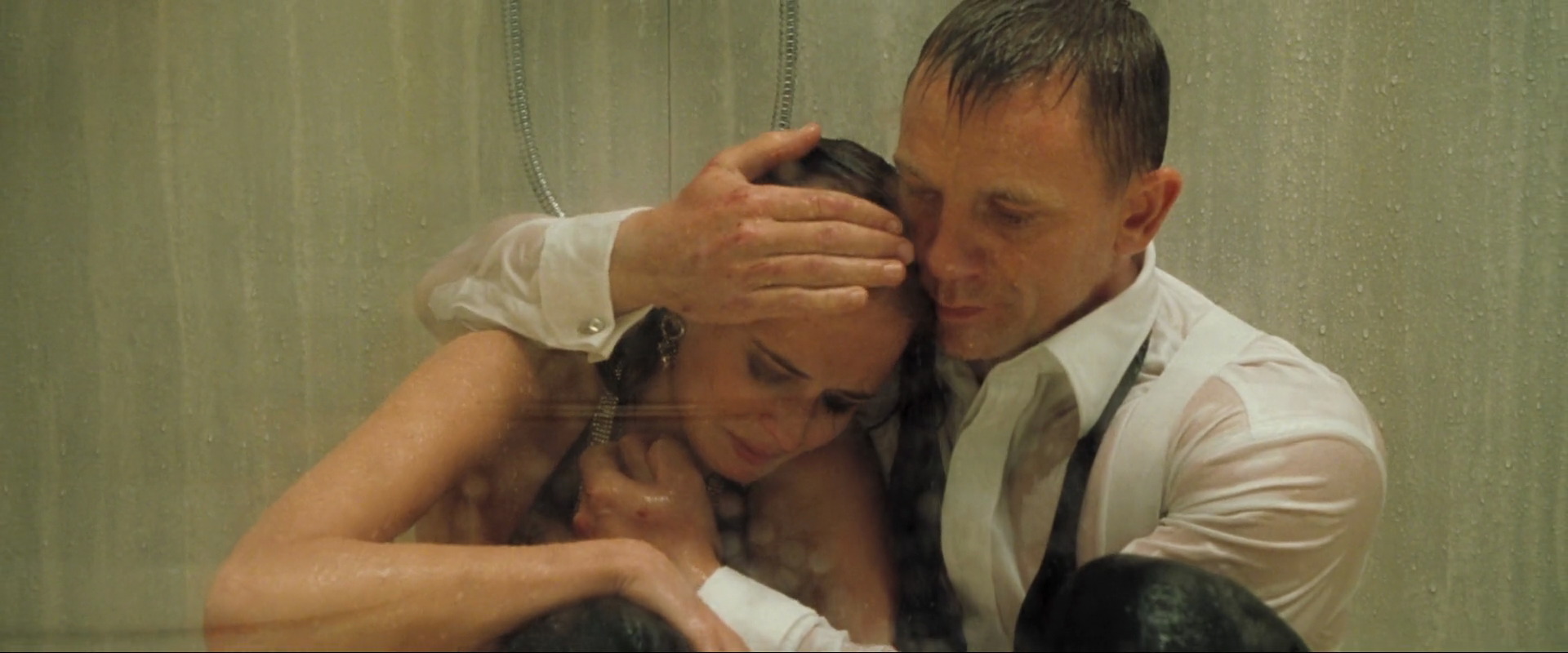
The above shot of Bond comforting a traumatised Vesper (Eva Green) is a statement shot that proudly proclaims this ethos of Casino Royale. It’s also postmodern, with Vesper’s reaction illustrating a collective terror that we have at seeing Bond kill someone in cold blood.

Sure there’s been moments sprinkled throughout the franchise of Bond committing cold murderous acts. But it’s now seen through the eyes of someone who has no exposure to those acts. This fundamental change in perspective is what grounds Royale in the realm of genuine pathos and empathy. The atypical “Licence to Kill” is no longer a cutesy phrase.

At the same time, the shot is a subversion of our expectation of Bond himself. Usually, he would either be flirting, bedding or just being generally smarmy towards the female characters he encounters. But beyond duty and hedonistic desire, this is a genuine instance where he cares about his female counterpart. In turn, this shot cements Bond’s budding relationship with Vesper. It’s a touchstone moment for the character. Between this shot and the subsequent betrayal, we fully understand why Bond is someone who does not open up to the women in his life.

Finally, the shot in question is a testament to Daniel Craig’s and Eva Green’s tremendous acting. In particular, the shot illustrates Green’s knack for portraying fragility with touching authenticity. This particular quality would lead to some of her best work in the Showtime series- Penny Dreadful.

Posted in 2021, One Great Shot | Tagged , , , , , , , , , , | Leave a comment

One Great Shot: The Last Jedi (2017)

Preamble

One great shot is a monthly (hopefully) series of blog posts, dedicated to briefly discussing a striking single shot. I think of the shot in question as a painting in a gallery that I’m commenting on. It’s essentially a free association exercise with a bit of context thrown in (when required).

I could not think of a better film to start with than The Last Jedi. My constant gushing about the film is common knowledge and frankly a little embarrassing at this point. However, much like the franchise itself, Jedi is a bridge for me to venture onto new ideas for posts and content. What’s your favourite shot from The Last Jedi? Let me know in the comments below.

One Great Shot: The Last Jedi

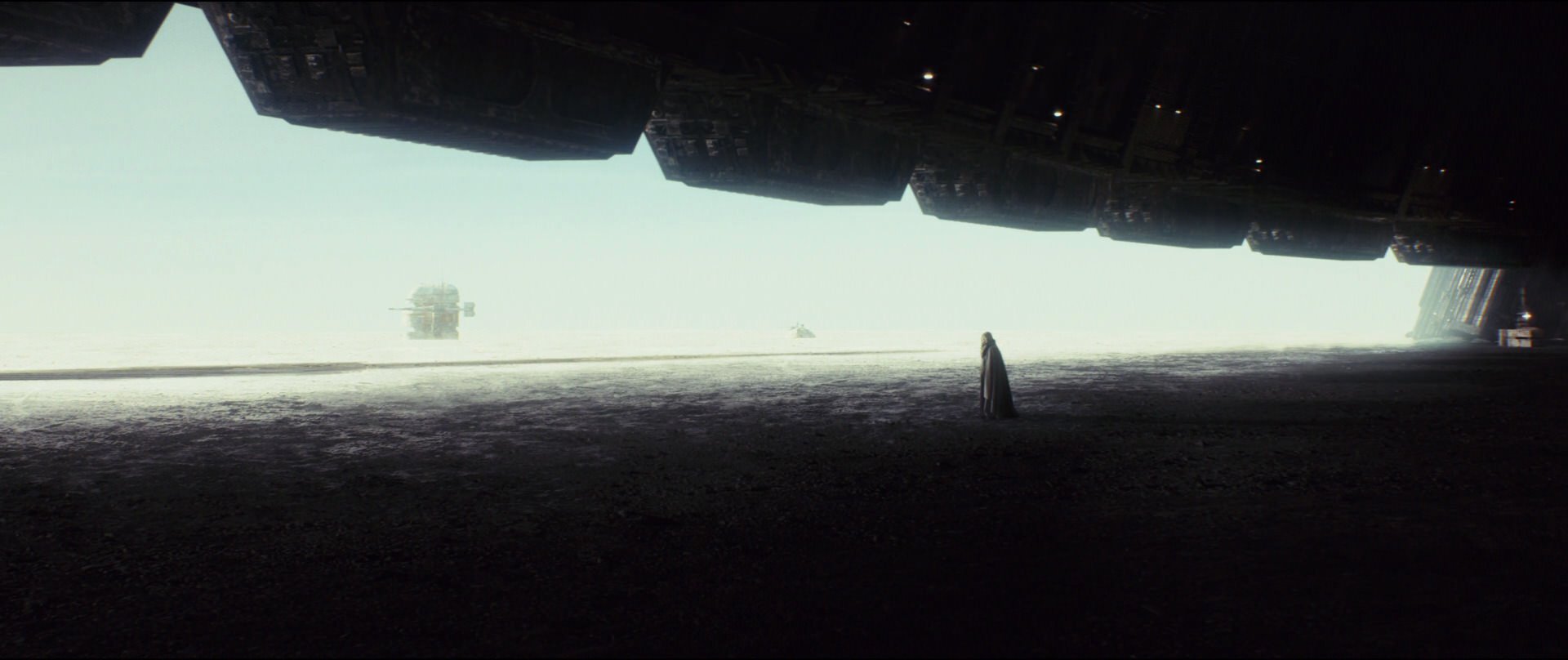
By itself, General Leia overlooking the base on Crait is a striking shot. It puts one in mind of old stories where a character seems larger than life. Leia is framed as though she’s an ancient guardian who’s always been watching over the Rebellion. The shot is also an illustration of one of the character’s most endearing qualities. Since her introduction in A New Hope, Leia’s defiance has been an important characteristic.

With this in mind, the shot is excellent in showing this character trait, with Leia appearing as though she’s the last person that stands in the way of the First Order. Despite the shot having a mythical quality, director Rian Johnson’s next shot greatly humanises Leia. Johnson employs a close up of the General before she requests the door to the base to shut.

Throughout The Last Jedi, Johnson cinematically shows the characters as grand mythical figures and then immediately reminds you (via a close-up or medium shot) that they’re all too human. What makes this shot resonate is that Johnson has reminded the audience that Leia (via her conversation with Vice Admiral Holdo) has experienced such a large amount of loss. You get the sense that it’s starting to weigh on her character’s soul (akin to carrying a large burden).

In conception, the shot is a testament to Leia’s tenacity and ability to carry on fighting (despite the profound personal toll it has taken). It also points to the humanity of the character, who has always had to stay strong for others (particularly in A New Hope).

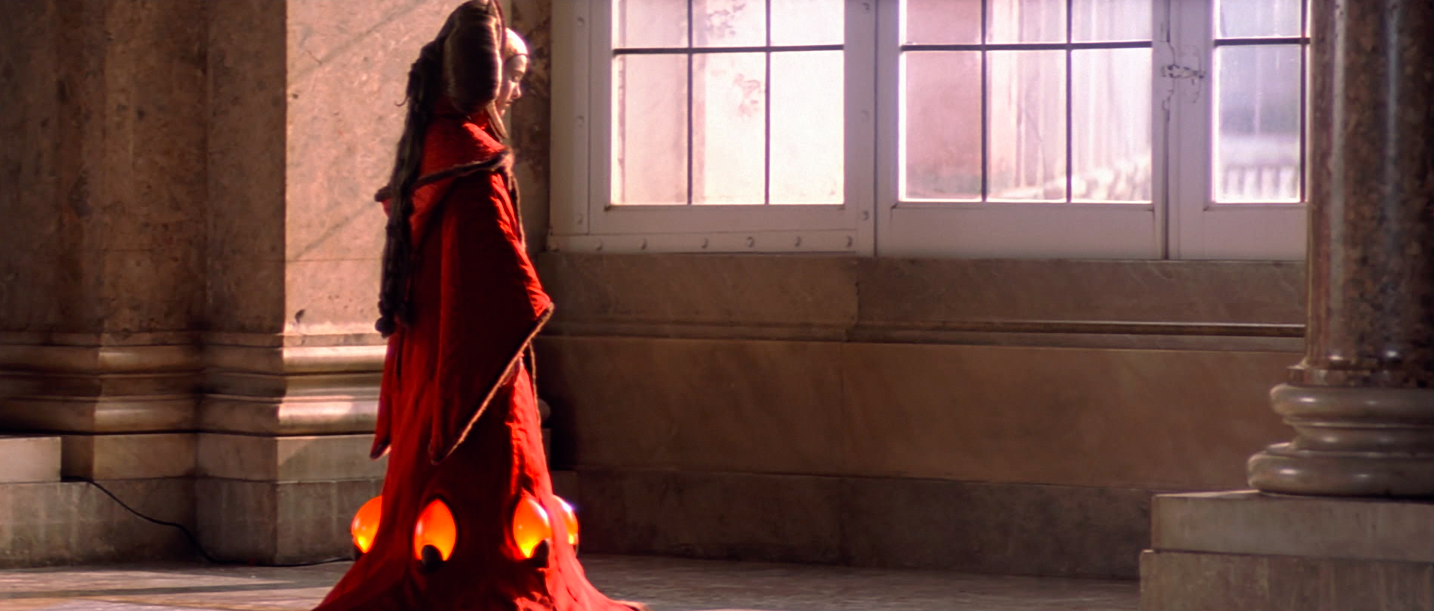
Finally, the shot feels like an echo of a similar moment in The Phantom Menace. In that scene, Queen Amidala/Padme (Leia’s mother) looks outside her palace as the Trade Federation start to surround and occupy Naboo’s capital- Theed. Like Leia’s isolation on Crait, there’s a mythic quality to Amidala’s moment in her palace, evoking the proverbial Princess being trapped in her castle. However, as the camera gives us a closer look at the Queen, the moment transforms into something tragic and inspiring. A monarch stands in a state of silent defiance against the enemies at the gate.

Rian Johnson’s choice to evoke this shot illustrates a firm understanding of the inherent poetic quality of the saga. In this instance, there’s a generational alignment of the female figureheads, who fiercely stand, and patiently wait for the war to come to their shores.

Posted in 2021, Star Wars | Tagged , , , , , , , , , | Leave a comment

Brief Thoughts on a Trailer: Venom: Let There Be Carnage (2021)

Preamble

Venom was a B-movie bore that was occasionally woken up by Tom Hardy’s central performance. It was the kind of work that had the same daring and go for broke quality that many of the performances in Tim Burton’s Batman movies had. However, due to the film being a hit at the box office, audiences have been graced with a sequel. Does the film’s second trailer make you excited to see the film? Let me know in the comments below.

Brief Thoughts on a Trailer

To its credit, the full trailer for Venom: Let There Be Carnage knows what it’s selling to its audience. It fully doubles down on the comedic hijinks and conflict that Eddie Brock (Tom Hardy) has with the Symbiote that overtook his body. This time, there appears to be more shading due to the creature wanting to be a “Lethal Protector,” who preys on and eats criminals. By comparison, Brock just wants to keep a low profile in his day job as an investigative journalist.

The other aspect the trailer promotes in spades is Cletus Kasady (Woody Harrelson). Teased at the end of the first film, the character becomes the infamous and iconic- Carnage. Some of the trailer’s best shots come from the many comic-accurate images of the fully unleashed red monster, who wants to wreak havoc on Eddie’s life. The trailer also intriguingly teases Naomie Harris’s character, whose place in the quasi family dynamic between Venom and Carnage is being kept under wraps.

A part of me is excited to see the film. As someone who grew up on the Spider-Man 90s Animated Series, Spider-Man PS1 game and subsequently the Spidey comics; I’m always going to be a little eager to see Symbiotes duke it out in live-action. However, I’m also aware that this is a sequel to a film that I did not like. And many of the elements that pervaded the 2018 movie could very well be embraced and amplified. Even the casting of Harrelson feels as cynical as the trailer’s slowed-down version of “One is the loneliest number.”

With his extensive experience of motion capture, Andy Serkis could be what tips the scales for me. I can only hope that he enlivens the digital characters with some humanity and interest.

Posted in 2021, Marvel, Trailer Discussions | Tagged , , , , , , , , , , | Leave a comment

Brief Thoughts on a Trailer: Dune Trailer 2 (2021)

Preamble

Just in time for the UK’s hot and humid Summer, a second trailer for Dune comes to wipe away the sweat. Complementing a series of character posters and 10 minutes of footage debuting at IMAX screenings, the 3 minute plus preview represents the film’s marketing being kicked into high gear. How does it fare compared to the first teaser? Well, let’s put on our stillsuits and find out… In the meantime, what did you think of the extended preview for Dune? Let me know in the comments below.

Brief Thoughts

Through the use of the novel’s first scene, the teaser for Dune walked a fine line between introducing some of the themes that Frank Herbert’s work contends with, and arresting imagery to entice mainstream audiences. By comparison, Dune’s recent preview is a spectacular showcase of its central conflict. It truly is a whirlwind for the senses.

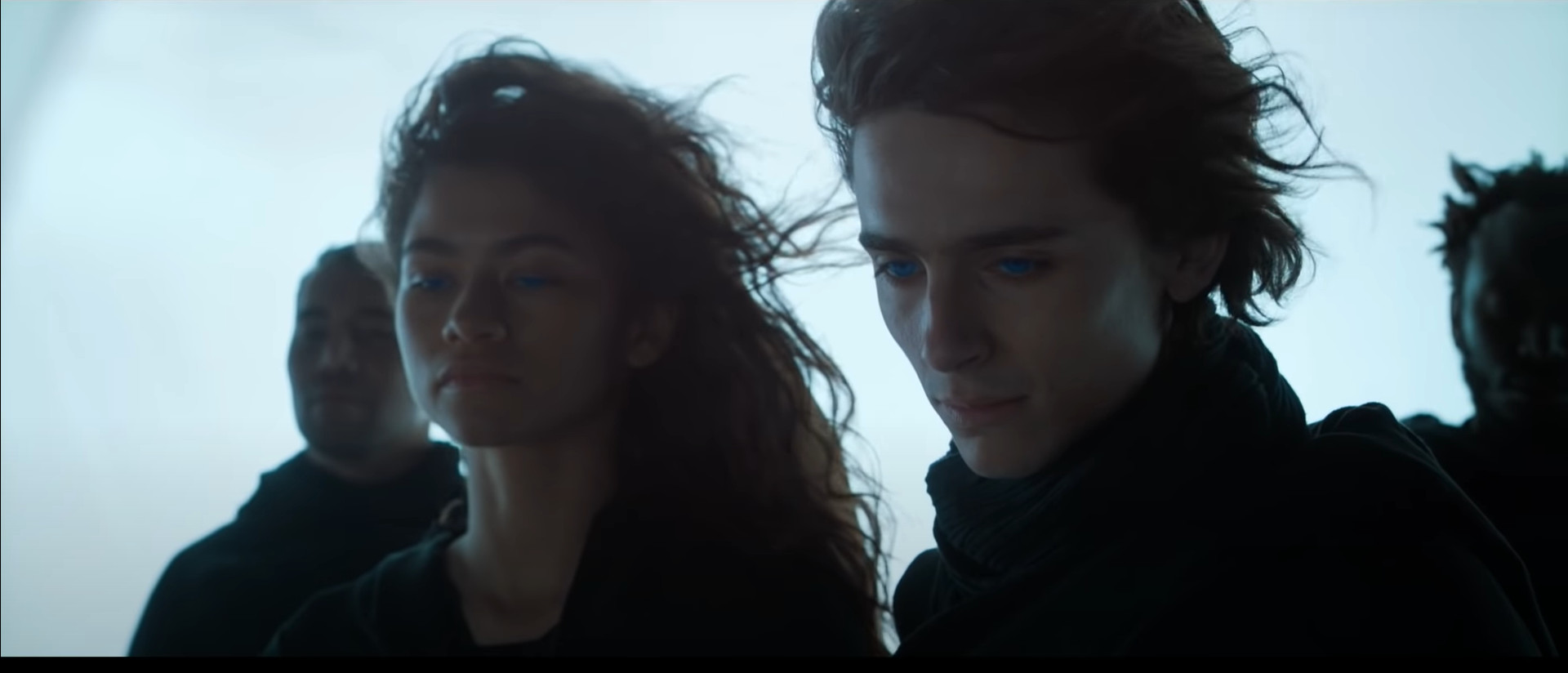
At the same time, the preview elegantly introduces the various factions that will permeate the film. The first are the Fremen who are introduced (although unnamed) via a monologue from Zendaya. The second are the Harkonnens who are quoted and shown being brutal in their attack on the native Fremen. The final faction are the Atreides who are tasked with bringing peace to Dune (aka Arrakis).

By doing this, the trailer offsets the usual problem that have plagued adaptations of Herbert’s novel, which is the extensive amount of stuff audiences have to know to understand the story and universe. Infamously, at screenings of David Lynch’s 1984 adaptation, a two page glossary was given to people because the studio were afraid of the dense nature of the film.

It’s a credit to the recent Dune trailer in how much it makes the source material accessible by making it seem like a grandiose Lord of the Rings esque effort. Part of is this helped by samples from Hans Zimmer’s upcoming score for the film. The powerful female choral work particularly stands out. In fact it reminded me of Danny Elfman’s Middle Eastern infused score for Ang Lee’s Hulk (2003).

However, the trailer does show too much for my liking. In fact, I’d wager that the last shot of the film is featured in this preview. It’s also not as interesting as the first trailer due to not alluding to Herbert’s ideas as much. The closest comes in a moment between Paul and his father Leto. Paul asks his father- “What if I’m not the future of House Atreides?” The camera then cuts to a pensive Leto and then a shot of the Sandworm (while we hear the elder character give a response to his son).

Aside from being a sly reference to my favourite book in the series- “God Emperor of Dune”, the moment encapsulates Herbert’s deft ability to mix familial pathos with questions about ruling and power. The second preview for Dune is commendable in boiling down its complex narrative into something that’s exciting and understandable for the general audience.

Posted in 2021, Trailer Discussions | Tagged , , , , , , , , , , | Leave a comment

Personal Tribute: Richard Donner

Preamble

To quote Adele, “Hello, it’s me.” After over a month, I finally return, tumbling onto the blogging stage with the shuffling awkwardness of a turtle trying to get to the other side in a hurry. Bad jokes aside, I acknowledge that 2021 has been a slow, and at times an empty year for content. This has been for various reasons and other commitments. But it’s safe to say that regular posts are the order of the day (going forward). With that in mind, l could not think of a better thing to get me back on the blogging horse then a few words about Richard Donner. What is your favourite Donner movie? Let me know in the comments below.

Personal Tribute

Richard Donner is one of the most formative and influential genre directors. He not only birthed the superhero genre with Superman: The Movie (1978), but also greatly contributed to horror cinema with The Omen (1976) and the buddy cop genre with Lethal Weapon (1987). In contrast to his peers like George Romero, Stephen Spielberg and George Lucas, there’s a humbleness to Donner’s films.

There’s no inherent or distinctive style to them. Instead, half of the pleasure in watching them is viewing an effortless balancing act that juggles many disparate genres and tones. The most remarkable being Superman: The Movie. In a genre that’s become so mainstream, Donner’s comic book film is still distinctive. The movie is a quasi-Shakespearean play, Biblical epic and 1930s screwball comedy; wrapped in a heartfelt and serious portrait of the title character.

A similar thing can be said of The Omen. While not as groundbreaking as The Exorcist (1973) or Rosemary’s Baby (1968), the film still impresses as an up market slasher film with a sense of quasi biblical paranoia fuelling its narrative.

However, Lethal Weapon proves to be somewhat of the outlier in the films he’s made. While there is some genre juggling, it’s not as prominent as his previous films. Instead, it’s much more dramatic than its conventions would suggest; painting a sobering picture of a man on the edge and close to taking his own life. In fact, in a genre that from the outside is known for its cheesy machismo, Donner’s 1987 film is most striking in its emotional moments. The scenes where Martin Riggs (Mel Gibson) breaks down and subsequently goes to Roger Murtaugh’s family house for dinner (Danny Glover) are a godsend in showing up the typical male bravado of the genre.

And Superman’s visceral heartbreak after finding Lois Lane (Margot Kidder) buried alive, exists in my memory with the immortality of an indelible silent film image at the beginning of the medium. The flickers of male emotion amongst genre material (that’s typically escapist and idealistic) are Donner’s lasting legacy. It’s for this quality and the countless joy from Superman the Movie (over the years) that makes me fondly remember and miss the great director.

RIP Richard Donner.

Posted in 2021, Tributes | Tagged , , , , , , , , , , | Leave a comment

Review: The Conjuring: The Devil Made Me Do It (2021)

Preamble

To quote Randy Quaid’s character from Independence Day (1996), “Hello, boys! I’m BAAAAAACK!” I won’t bore you with the details of my long absence, but it’s great to blog again. Better yet, this post marks the first time I’m reviewing a theatrical release since The Invisible Man in March 2020. Honestly, returning to cinemas has carried a series of mixed emotions.

On the one hand, is the sheer comfort of returning to a place that’s meant a great deal to me. When walking to my local Odeon, I realised that cinematic experiences are like virtual time stamps that hold memories and times of years gone by. We don’t just remember seeing something but also reflect on the circumstances that surrounded that point in time. With that in mind, cinematic experiences are important emotional artefacts that speak to particular instances of our past.

I’m also conscious that we’re still in the weeds of the pandemic. Despite the record-breaking vaccine rollout in the UK, there are still many people who feel too afraid to venture out to the cinema. At the same time, India has been tragically ravaged by the virus on an unprecedented scale. Despite being very fortunate, I realise that we’re not collectively out of the woods yet.

Before I get to my review of The Conjuring 3, what did you think of the film? Will the Devil be enough in making you see the film? Let me know in the comments below. On one final note, if you enjoy my review of The Conjuring or like my ramblings on Horror cinema, then you can find more pieces at my second home: https://horrorobsessive.com/author/sartaj-singh/

Review

The Conjuring series has constantly stupefied me. Its success has resulted in three mainline films and a host of spin offs; varying from entries about the Annabelle doll to a hissing Nun. But none of the Conjuring films have come together for me. They’re films with good moments and interesting virtues, marred by bad choices that often make them feel like silly dress ups of classic horror films. Despite suffering from similar problems that plagued previous entries, “The Devil Made Me Do It” is the best of the trilogy. It pushes the series’ central couple to the forefront, and introduces a refreshing self-referential spirit.

Set in the early eighties, the latest Conjuring film centres around the infamous “Trial of Arne Cheyenne Johnson” (Ruairi O’Connor). After killing his landlord, Arne’s lawyer pleads not guilty on the count that her client acted under the influence of demonic possession. In a race against time, Ed Warren (Patrick Wilson) and Lorraine Warren (Vera Farmiga) attempt to find and gather evidence to prevent Arne from receiving the death penalty.

The third Conjuring film trades the mostly isolated haunted house structure for an expansive story. This reverses that dynamic of previous entries that relied on the strength of the families who were getting haunted as opposed to the Warrens. By doing this, “The Devil Made Me Do It” plucks at the string of its central strength, which is the relationship between the married couple.

As ever, the Warren’s dynamic is playful and touching. But thankfully, the film does not coast on this familiarity, and adds a new wrinkle to their dynamic. Previous films played on Lorraine’s vulnerability due to being an empath who could recreate and feel the haunted encounters. In this film, Ed suffers from a heart attack in the opening Exorcism and becomes a lot more vulnerable. This change results in some of the film’s most humorous moments, notably one line where Lorraine asks Ed to hold her purse, before she goes down into a spooky basement.

This quality extends to the entire film. From the plotting that’s about dissecting a demonic encounter (after its seemingly disappeared) to a priest quipping in the third act- “It’s just bad wiring” (in the context of a supernatural encounter) “The Devil Made Me Do It” is much more light-hearted and emboldened to pick at the cliches of its world and horror movies at large.

Visually, the film is impressive with its lighting taking centre stage. Whether it’s the use of natural light or the minimalist lit sequences (mostly via table lamps), this latest entry has the quality of a horror movie that’s close to being lit by candlelight. I also appreciated some of the cinematic choices. One standout moment is a sequence shot to evoke movement through a house while a character is going about their day.

And in a series that has boasted monstrous supernatural antagonists, it’s quite something that the human antagonist holds her own. Often appearing in silhouette with a chilling stillness, Eugenie Bondurant’s screen presence is formidable. Her character feels like a throwback to the female harbingers in films such as The Haunting (1963) and The Omen (1976).

However, despite these strengths, “The Devil Made Me Do It” is maddening in some of its aspects. These come from the choices in the scare sequences. Many of the big moments are constructed as though they’re a cage match in a boozy underground bar, with a loud sound design that drowns out what people are saying and mercilessly attacks the audience with cacophony. The finale also has this quality, coming across as a grungy 90s music video with flickering lights and an emphasis on rapid-fire editing to contrast its two settings. By the end, I felt more afraid by the filmmakers than any of the supernatural aspects that pervaded the film.

This is compounded by Arne largely becoming a narrative tool as opposed to a genuine character, who the film forgets in many sections. The film also suffers from the same mawkish sentimentality and religious righteousness that defined previous films. These qualities fundamentally take the bite out of any lingering horror that the film could have had.

In essence, this is the Achilles’ heel of the Conjuring series. It wants to evoke and pretend to bask in the same horror that defined films such as The Exorcist and The Omen. However, those films were never reassuring, but instead quite frightening and disturbing in the subject matters they tackled. Even in its best moments, “The Devil Made Me Do It” is still playing dress-up.

Posted in 2021 | Tagged , , , , , , , , , | Leave a comment

My Top Five Most Formative Films

Preamble

Between work becoming horrendously busy and a general lack of motivation, posts have been a rare occurrence on the blog lately. So, to remedy this, I’ve decided to write posts that take stock (in a sense) and indulge in a pool of comfort.

As I turn the page on my twenties (in a few months), I’ve been thinking about the aspects that have led me to this point in my life. Part of this has made me wonder about the movies that have been formative in my passion for writing about cinema (for a number of years).

However, before we get to the post, what are some of your formative films? What movies made you fall in love with the medium? Let me know in the comments below.

5) The Wind Rises (2014)

While Disney movies introduced me to animation, it’s not a genre that’s held much interest for me (in my adult years). However, this all changed when I saw The Wind Rises last year. It was a resonating experience that explored creativity and its conflict with commerce. But above all, it considers a question that not many films, let alone animated ones consider; what constitutes a well lived life? And how do you square that between your personal life and ambition? It’s a touching and beautiful movie, illustrating the soaring heights the genre can reach.

4) Inherent Vice (2015)

While Sin City (2005) was my first exposure to the Neo-Noir sub-genre, Inherent Vice cemented my love affair with it. Crucially, it sparked my fascination with characters who are inhabited by their demons (in the midst of being involved with an overarching mystery). Doc’s dope smoking demeanour combined with the elusive nature of the plot made for an experiential and comedic effort that greatly appealed to me. At the same time, the film taught me important lessons about reviewing and got me to read Thomas Pynchon.

3) A Clockwork Orange (1972)

Quite simply, A Clockwork Orange was the first film to needle at me. I was not sure how I felt about it. My fixation with getting a firm read off it sowed the seeds that grew into my hobby of writing about film. The early seventies film also made me sit up and start considering the auteur theory, black comedy and the importance of set design in moviemaking. It was also one of the first classic films that I saw on the big screen, which felt quite transgressive (given Orange’s infamous UK release).

2) The Exorcist (1974)

As alluded to in one of my recent posts, The Exorcist is one of my cinematic obsessions. In part, I’m fascinated by its choices, filmmaking, and approach to adapting the source material. It’s also one of those films that proves how a work of art can have a particular power that goes beyond its subject matter. This almost haunting quality that exists in its most mundane and quiet moments will always keep me coming back…

1) Star Wars (1978)

From James Cameron to Ridley Scott, everyone and their mother has found Star Wars to be a formative film. However, for a six-year-old who was largely ignorant of moviemaking, the Special Edition of Star Wars on VHS was my first glimpse of what it takes to make a film. It also gave a sense of history with George Lucas’s choices being an interesting view of how a filmmaker sees their work over time. Oh, and the film itself and how it inspired me was the gravy on top.

Posted in Uncategorized | Tagged , , , , , , , , | Leave a comment