
Preamble

At this point, I don’t go into an MCU movie with my arms crossed and a sense of impress me bro energy. Despite a quality drop from the post Endgame era, I don’t think the subsequent movies have been all for nought. Thor: Love and Thunder resonated with me emotionally and provided some meta textual interest. WandaVision was shockingly good with a Twin Peaks esque lens of how it used Americana to explore quite potent subject matters such as grief and power.
Even mixed efforts such as Doctor Strange in the Multiverse of Madness and Black Widow had some solid elements. They both split the difference with directorial authorship and credible dramatic elements.
So, I guess in my longish and rambling sort of way, I’m saying that I don’t expect Thunderbolts to be an indication that the MCU is back. To me, it was never gone but rather like one wise Hobbit once said, “Sort of stretched, like butter scraped over too much bread.” With that said, have you seen Thunderbolts? Let me know in the comments below.
Brief Consideration
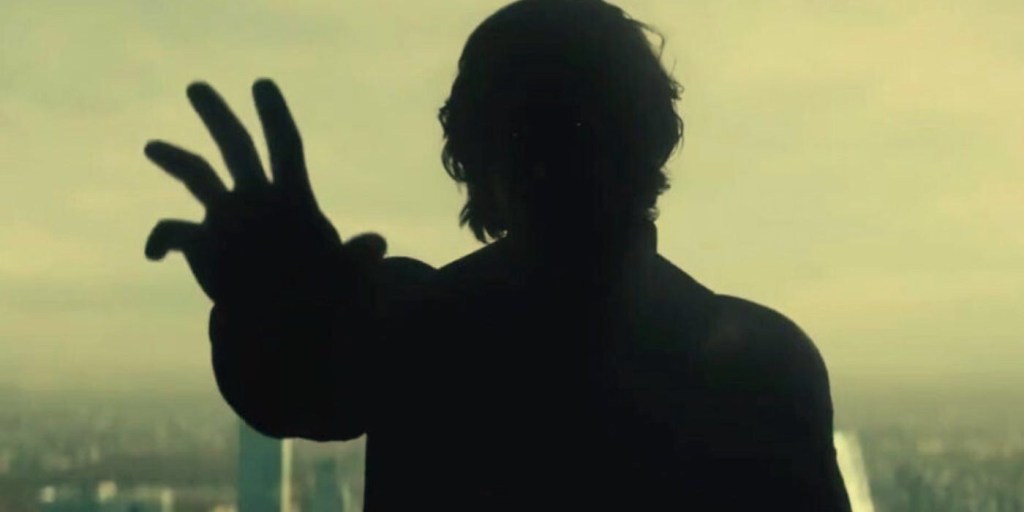
At this point, comic book fidelity is a tricky thing to come by. Unless you’re Sin City, Spider-Verse or even the first Avengers, then you’d be hard pressed to evoke the appeal of the medium. Despite not entirely escaping the problems that plague the MCU movies, Thunderbolts* still plays like a unique one shot comic book.
On the surface, the 2025 film has the skeleton of team up movies in the sub-genre including a morally duplicitous boss, expendable team and giant beam esque third act battle.
However, the difference comes in the emphasis. Crucially, Thunderbolts* wears its emotions and anguish on its sleeve. It’s front loaded as a form of therapy whereby Yelena (Florence Pugh) attempts to sooth the emptiness of her every day existence and guilt of her past sins. Pugh is excellent in taking the dry and straight talking appeal of her character and filtering it through an emotionally vulnerable lens. It’s also used as a means of manipulation whereby the team dynamic is called into question as it gets in the way of singular purpose and true potential (in regards to the central antagonist).
But the third act takes the cake in terms of showing the thesis of the film. This comes from the concept of “The Void.” It’s a looming shadow that sucks people up and forces them to relieve their most painful memories on an infinite loop. Much like comic books such as Barry Windsor Smith’s Weapon X, this idea takes the grammar and syntax of the medium to depict simple concepts such as daily and mental struggle.
Even a sequence where we follow the after effect of the antagonist’s attack, feels comic booky in how it frames each ensuring incident like a Final Destination moment, as the audience follows destruction in a prolonged micro level.
The movie still can’t escape the looming shadow of the MCU’s humour that feels excessive (despite a few attempts to convey it in the framing of certain shots). But in a problem that feels unique to this film, certain plot point have a looseness that’s meant to mirror the messy nature of the central team.
Instead, they come across as playing into the worst impulses of universe franchise building, namely a hurried pace to lay down the tracks for future instalments. This mostly comes from the film’s final moments that paired with a sizable post-credits scene seeks to feel like an inorganic status quo.


