
Preamble
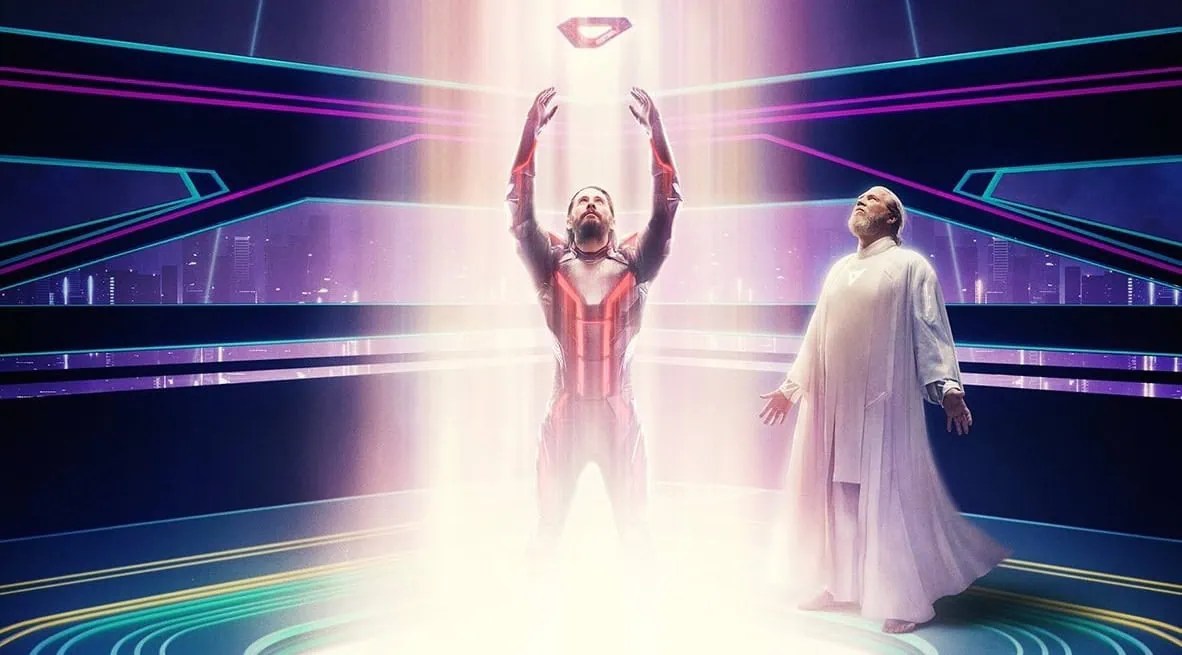
Given the times that Tron has entered my life, I’m astonished that the franchise has been met with stony silence on the blog. Tron Legacy was my first midnight screening, and my first viewing of the original was a nostalgic time for me. Ares comes with a bit of mild curiosity, if not a slightly raised eyebrow. So, with that said, have you seen the latest Tron movie? Let me know in the comments below.
Brief Consideration
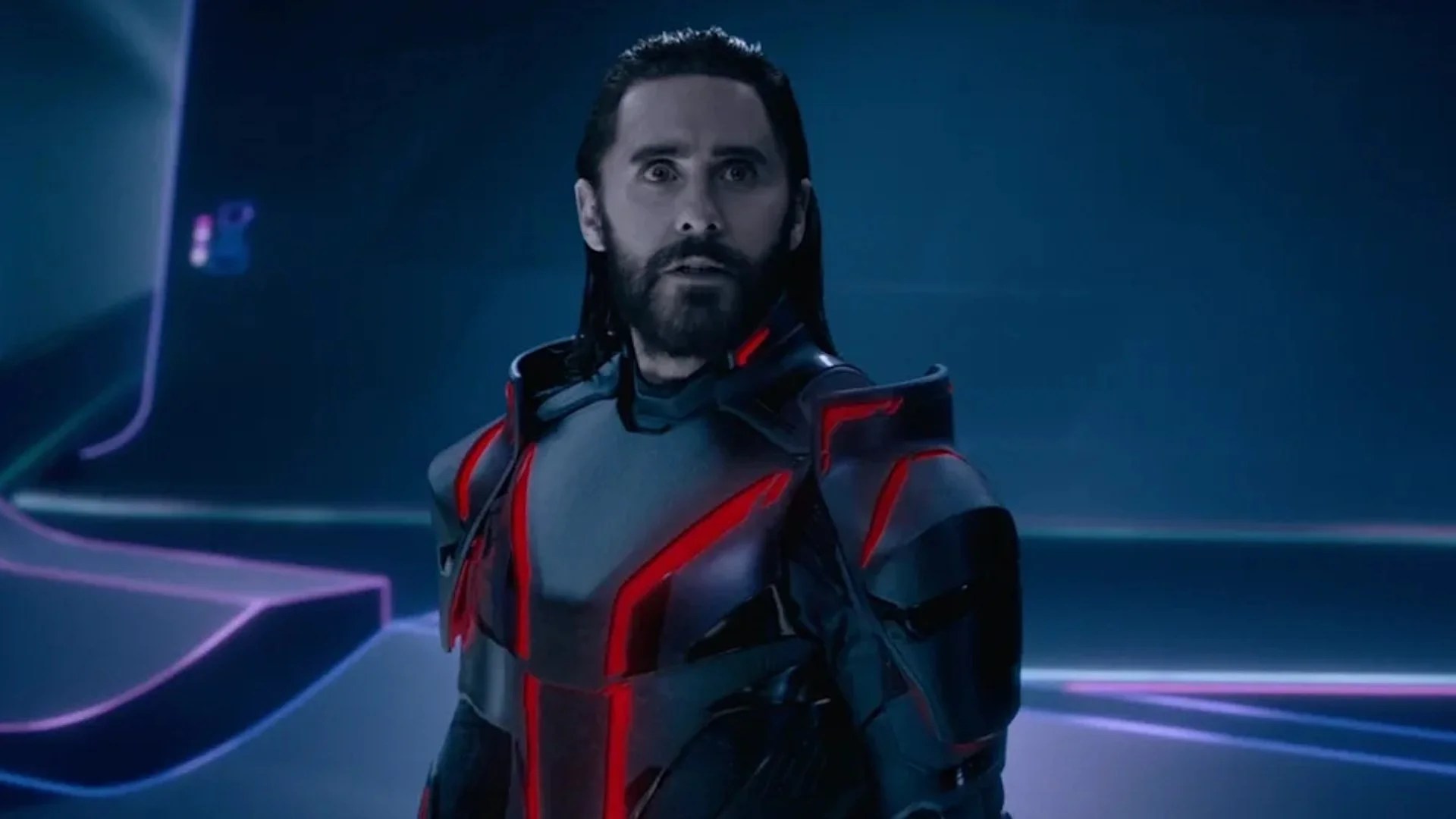
The Tron franchise is unique in that it’s been like a slow-evolving Pokémon that’s shed much of its identity, with each entry effectively a reboot (with loose connective tissue). This was not much of a problem for the 2011 film Tron Legacy, which made the series soar to subtextual heaven with its musings about creation and the legacy of its digital world. For my money, it’s near the top of the legacy sequels pile because it was never concerned with replication but rather innovation of its universe and aesthetic.
Tron Ares feels like it’s gone back to basics. For a franchise that’s had video games in its bones, it’s surprising that the 2025 film has chosen to embrace the medium entirely. The titular Ares (Jared Leto) refers to a program poised to be the soldier of the future, one that never tires and is easily replaceable. The catch of his creation is that he only lasts 30 minutes before he disintegrates. With this in mind, the movie depicts the search and hunt for the Permeance code, which will resolve this problem. The central figures chasing this MacGuffin are the CEO of Dillinger Systems, Julian (Evan Peters), and Eve Kim (Greta Lee), the current CEO of ENCOM.
In spirit, Ares does feel like its prior entries, insofar as it depicts corporate espionage. In fact, the film’s best sequence is a hacking of ENCOM that results in a grid-based face-off between Ares and ENCOM’s various security goons. The difference is in the emphasis. In the past, sequences like this would say things about the character, whether it’s Sam Flynn’s relationship with his birthright (ENCOM) or Ed Dillinger’s (David Warner) greed.
Unfortunately, for most of its running time, Ares exists at this level of simplicity, where its setup is clear but leaves little impact. And this is why it feels like an old-school video game: it has a threadbare narrative and character motivation that serve its plot, aka the acquisition of the Permeance code.
The actors do their best to elevate the material. Greta Lee, in particular, gives her part some emotional truth and a sense of determinism, even if the screenplay lets her down with a one-note purpose and motivation. Jared Leto injects the central character with a wry detachment that occasionally amuses. But it becomes problematic in his scenes with Kevin Flynn (Jeff Bridges). Their scenes reinforce how much Bridges has been a boon for the series, effortlessly walking the tight-rope between enlightened and casual that immediately feels disarming. Unfortunately, Leto does not have that same quality,
And despite some commendable filmmaking (medium shots of Light Cycles are the stuff of IMAX wonder) and the sublime industrial highs of Nine Inch Niles’ soundtrack, Ares feels like an unfortunate climbdown, even when it was pleasing me with its base thrills. After Legacy, I simply expected and wanted more.

 SGS On Film