
Preamble
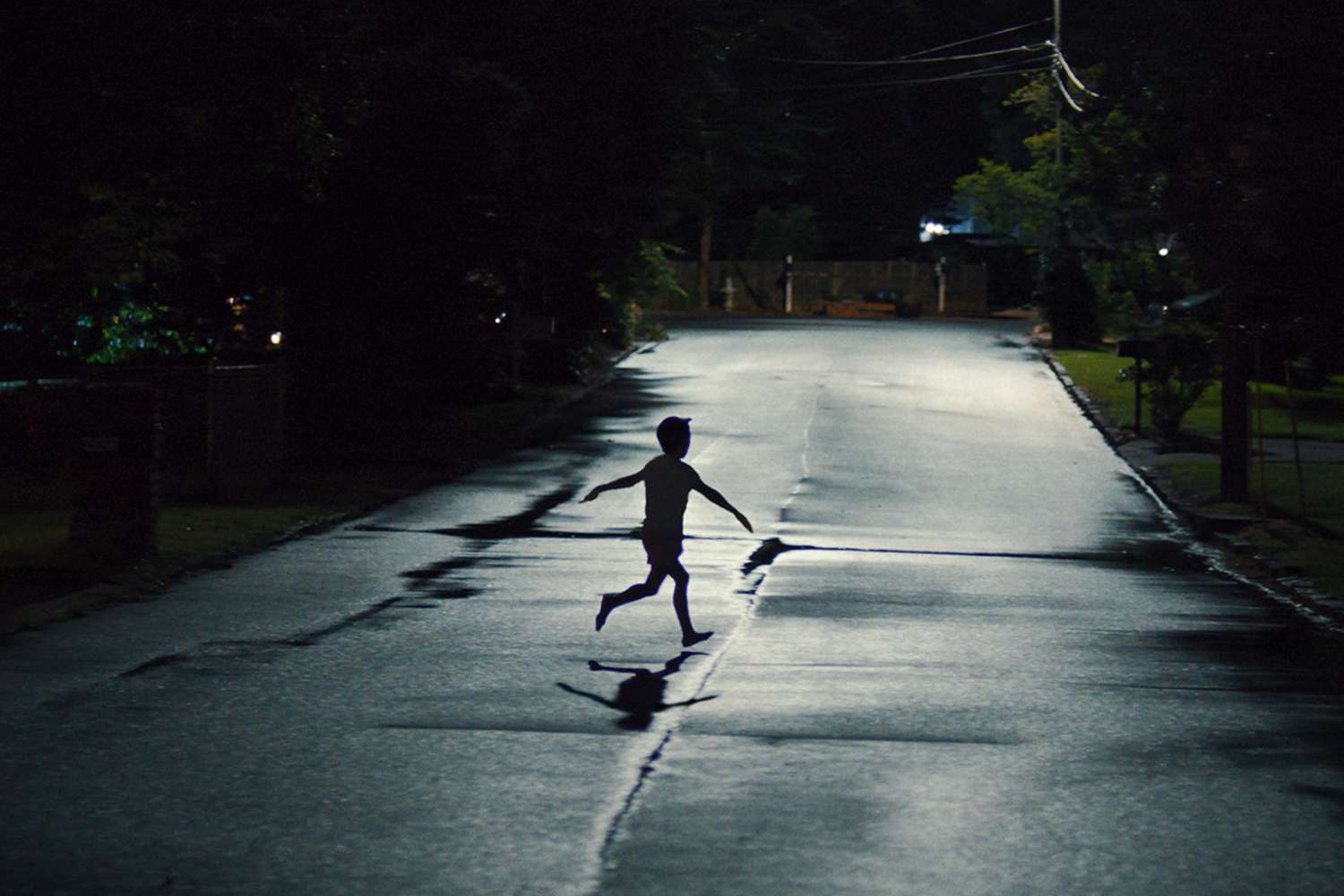
For fear of sounding repetitive, I was almost going to do a variant on the last preamble due to how it took a little longer than usual to gather my thoughts on Weapons. And for reasons that still seem out of reach, I’m still searching for why. But that’s foolhardy speculation. Have you had a chance to see Zach Cregger’s Weapons this weekend? Let me know in the comments below.
Brief Consideration
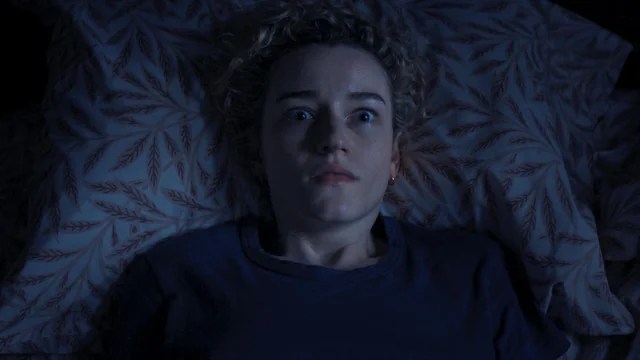
In an era where horror movies seem to be at near bursting point in terms of new releases, Zach Cregger’s Barbarian stood out. This was due to how it felt like a feature-length expansion of the Parlour scene from Psycho, in which both characters were acutely aware of the inherent distrust and danger from their inconvenient living arrangement. Cregger’s follow-up, Weapons, which depicts a community grappling with the sudden disappearance of 17 school children, is a much more ambitious and sly effort.
Rather than rely on a singular location and nesting doll narrative that fleshes out said location and the themes it fosters, Weapons feels much more expansive and fairy tale-esque in its storytelling. In fact, its primary source of inspiration is Magnolia in terms of how it uses its characters to sketch out its themes. The film is split into different parts that tell the story from the vantage point of many characters. The anthology-esque approach is bold and occasionally veers into leading down the garden path territory.
However, I think the structure (particularly emphasised in the sections about a cop and a drug addict) is part of the thematic point. Despite the central tragedy that has shaken the Maybrook community, the characters are far too caught up in their bullshit that they can’t see the forest for the trees when it comes to solving the central problem. They are an embodiment of the famous line from Norman Bates- “We are all in our private traps.” And as such, the stark title “Weapons” is not just how the central evil twists innocence and familiarity for selfish ends, but also how we are capable of doing that to each other (regardless of external manipulation).
The Bates quote also takes on significant meaning in the final stretch of the film, where we discover the nature of the antagonist and the psychological toll it takes on one character in particular. There’s a gut-wrenching emotional truth to these sections that’s as much an indictment of the systems in place as it is the notion of complicity in silence.
Cregger’s subtle direction impresses, particularly in instances when he plays with focus, often blurring the adult characters, which encapsulates the themes quite elegantly. He also juxtaposes this with quite exact and patient medium shots that give rise to a nerve-shattering tension that had me on the edge of my seat. And in a film with quite an ensemble cast, Julia Garner strikes a chord in a performance that balances fragility in the face of mounting public scrutiny and rarefied emphatic defiance.

 SGS On Film