
Preamble
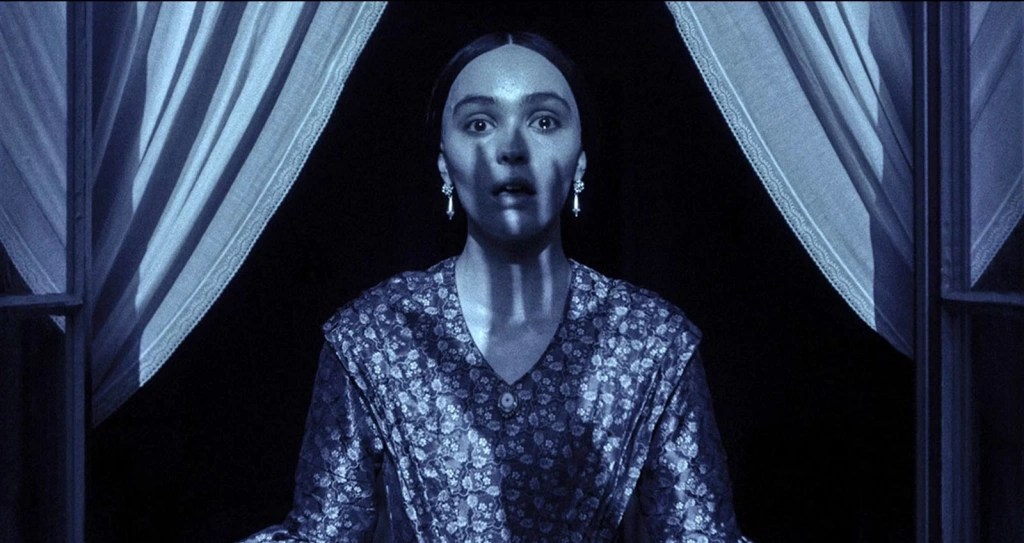
Happy New Year one and all. I hope all of you fine folks have an excellent 2025. The year has gotten of to a flying start with the release of Robert Eggers’s long awaited remake of F.W. Murnau’s 1922 silent movie classic- Nosferatu. I’ve been looking forward to seeing this since murmurs of it surrounded Egger’s first movie- The Witch. With that said, have you seen the late 2024/early 2025 horror film? Let me know in the comments below.
Review
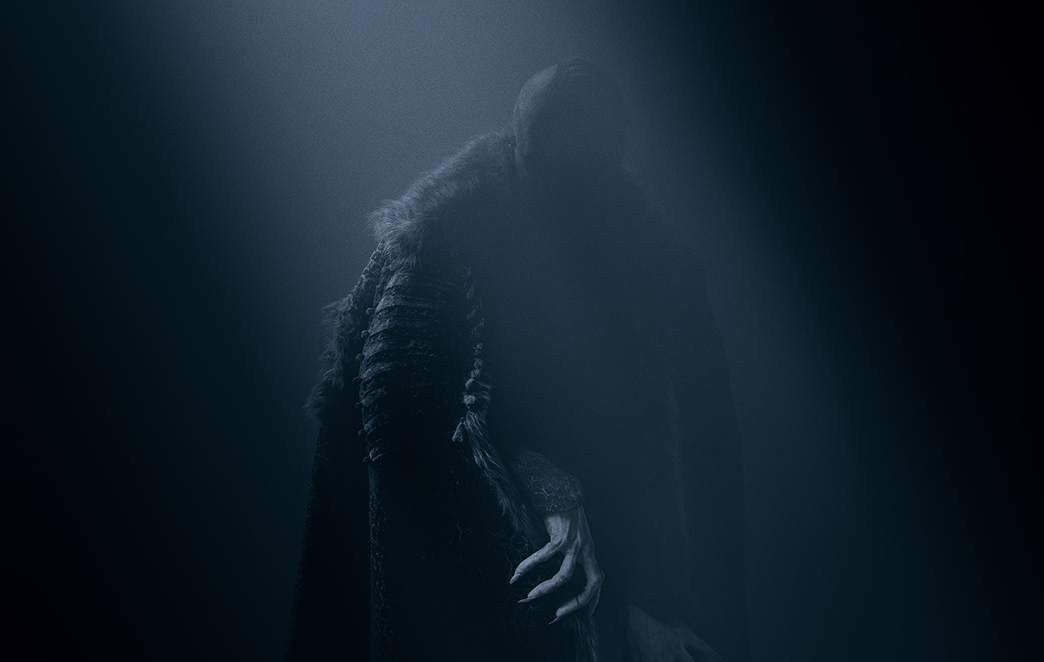
There’s something altogether uncanny and chilling about the original Nosferatu (1922). Despite being over a hundred years old, it remains steadfast in its conviction of the existence of its central creature and mythology. The Werner Herzog remake remains a formative picture for me, taking the anguish of the source novel and filtering it through the central creature. It’s as much a humanist response to the silent film’s feral and animalistic portrait of the titular character as much as a poetic depiction of the cursed nature of the vampire. Robert Eggers’s long-gestating remake is an engrossing, rich and at times disturbing film that in its themes harkens back to Bram Stoker’s Dracula novel in fascinating ways.
The 2025 film depicts newly minted estate agent, Thomas Hutter (Nicolas Hoult) travelling to Transylvania to sell a house to longstanding and reclusive, Count Orlok (Bill Skarsgård). Despite going with good intentions to provide for his recently wedded wife, Ellen (Lily-Rose Depp), Hutter does not realize that his journey sparks a chain of events that will test his sanity, marriage and grip on reality.
To his credit, Robert Eggers has excelled with a commitment to period accuracy within the films that he makes. In the case of Nosferatu, it proves to be a boon as it allows the Victorian era’s portrait of repression and gender portrayals to bubble to the surface. In the case of the first, this manifests in Ellen. In her younger years, she reached out for a companion to soothe her loneliness. What she found was that Orlok had latched himself onto her soul as he desired a singular union that allowed him to feed on her misery. With her marriage to Hutter, Ellen thought she could keep this shadow relationship at bay.
However, Hutter’s journey to the Count is a planned ritual that will sever Ellen’s and Thomas’s union and marriage. The metaphor of Orlok being a manifestation of Ellen’s repressed sexual desires and source of depression feels in keeping with Dracula in Bram Stoker’s novel due to the creature being a representation of our animalistic desire that we try to counter with science, rationality and Victorian respectability.
Ellen’s vivid outbursts and depression also fuel the gender drama that typifies the film’s soul. Whether its Thomas’s initial rejection of Ellen’s protests about his journey or the female lead’s confrontation with Thomas’s rich friend- Friedrich Harding (Aaron Taylor Johnson), Nosferatu’s true horror comes from how some of the seemingly socially respected men can be monstrous in their dismissal of the women in their lives. In this way, Egger’s period accuracy really soared for me in a way that’s had mixed results in his previous films due to how it comes from an emotionally true place. There were moments during the film where I was moved to tears by Ellen’s accounts of her torment, which resulted in the people who were meant to keep her safe would cast her out instead.
Aside from displaying impressive physicality in her various contortions and facial expressions, Lily-Rose Depp’s authentic portrait of shame, desire and anguish was riveting to watch. Bill Skarsgård is terrifyingly transformative in a portrayal of Orlok that is at once noble and deeply evil. In particular, his voice for the Count is impressive in its sense of sounding like an ancient king. And Willem Dafoe is surprisingly heartfelt and compassionate in his performance as a socially cast out professor who proves to be Ellen’s greatest ally.
Eggers pairs his astute screenplay and themes with a haunting direction that still lingers with me now- whether it’s operatic close-ups where characters express forbidden truths or a dreamlike sequence involving a shadow of Orlok’s hand engulfing the entire central village. Eggers understands the cadence of nightmares in ways few modern directors do. He does this by depicting the sense of randomness from stumbling upon ordinary objects/places and how they can be prophetic in speaking truths to our fears and concerns. Take an early scene where Thomas comes across a coach in the snow. At once, it’s a source of relief as it relives the tail end of his journey. But it also represents how he’s being led down the garden path to torment and pain.
These moments are complimented by Robin Caroline’s serpentine-esque score that gives sub-consciousness voice to its central elements, such as the use of a music box to portray Ellen’s story with fairy tale-esque innocence or brass to grandly proclaim its central antagonist with hypnotic precision.
As it stands, Robert Eggers’ version of Nosferatu really engaged me. While it lacks some of the qualities that makes Herzog’s version so indelible (such as a beguiling portrait of nature and deadpan sense of humour), it’s the most dramatic version of the story. It plays to its period setting with commendable weight as opposed to using it as an ironic and anachronistic means to remake one of horror cinema’s most sublime creations.

 SGS On Film