
Preamble
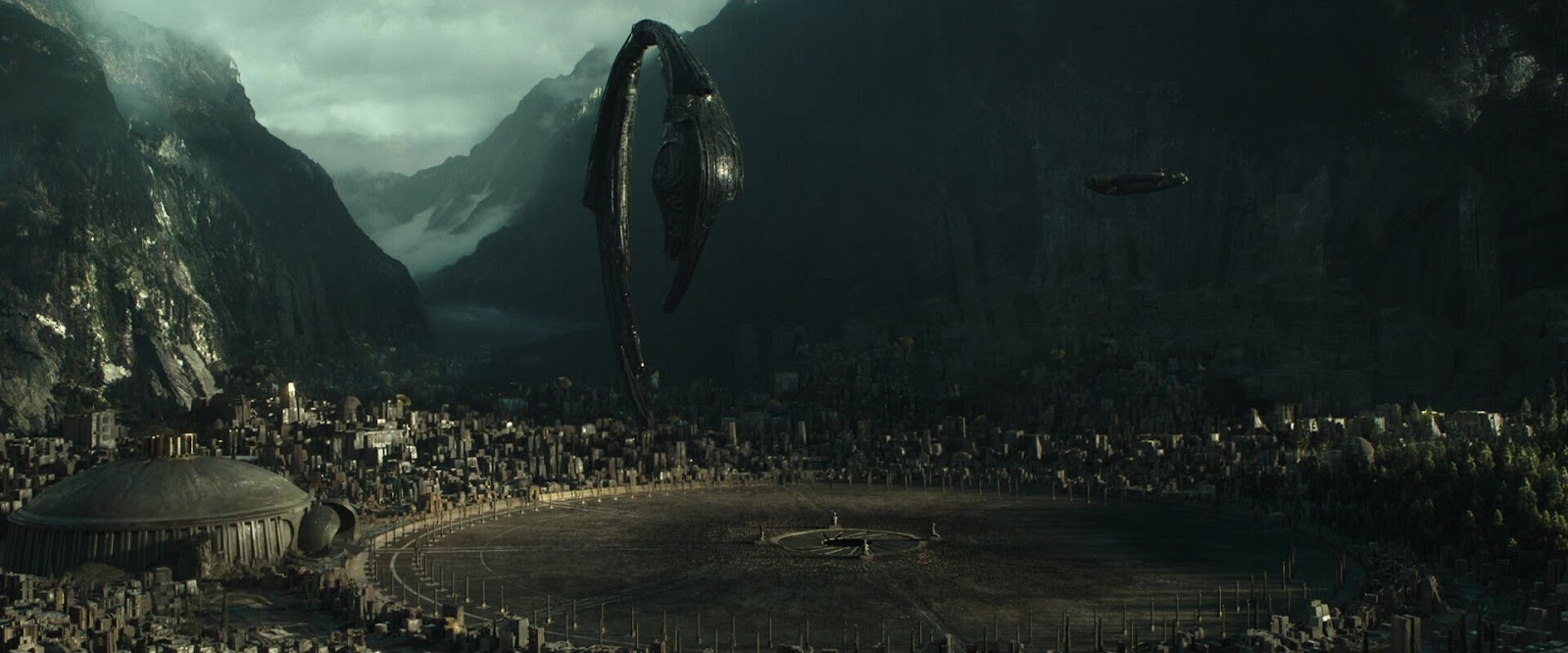
Aside from Star Wars and Dune, the Alien franchise helps me shake off the motivational blues for blog writing. Ever since I saw the series in my teen years, it has captured my imagination with its Lovecraftian undertones and psychosexual imagery. Today marks the release of Alien Romulus. It’s the first Alien film in seven years. With this in mind, I was eager to revisit some, if not all of the movies in the franchise. However, as time passed, I wanted to lessen my scope in revisits. After all, the original Alien is a film that’s truly seeped into my bones. I’ve been through it frame by frame, seen an original 35mm print of it at my favourite cinema, and have genuinely lived with it for a long time.
Most of the rest of the films have not been far behind, with frequent marathons that involved the sequels. So, why did I decide to rewatch Covenant? It’s the one I wanted to revisit the most, and I don’t have a firm read on. While I appreciate its themes of creation and legacy, as well as its gothic spirit, it undermines itself by evoking the slasher sub-genre it transcended in 1979. Regardless, the latest viewing inspired me to write about the movie’s one great shot as the filmmaking impressed me the most. With that more than longish preamble aside, what’s your favourite shot from Alien Covenant? Let me know in the comments below.
One Great Shot
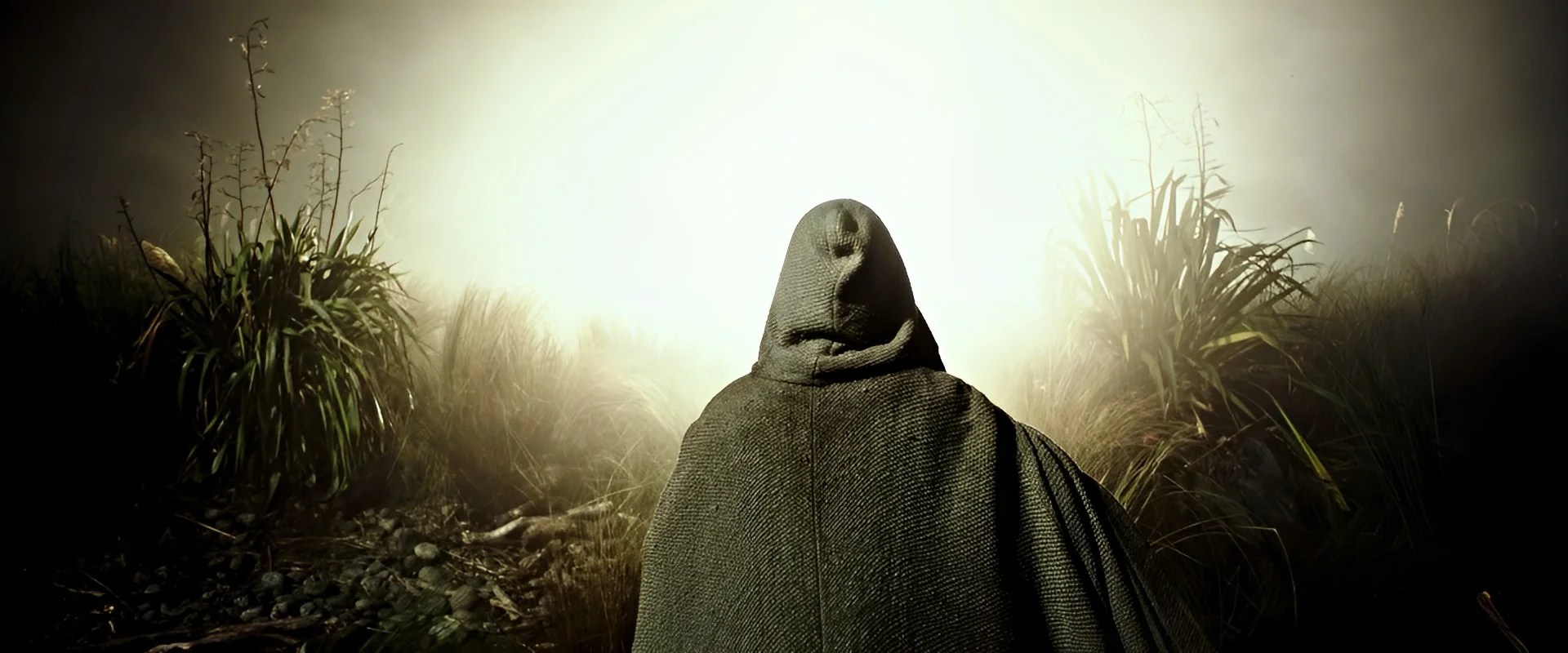
From pristine wide-angle shots to visceral found footage-esque camera moves, Alien Covenant shows that Ridley Scott’s knack for impressive filmmaking and beguiling imagery has not dwindled. The above shot is simple in conception. It’s essentially an insert shot to get the audience to focus on the mysterious figure that distracts the Neomorph from killing the ground team of the Covenant. The figure in question is David, who has not appeared in the film since the prologue.
This one great shot is deceptive. Narratively, it represents a ray of light akin to a beacon that’s picked up a crashed ship at a lighthouse. However, the small mercy from David may be all for nought as the crew find out about his sadistic and twisted experiments whilst he’s been on the planet for close to a decade. The bright light also proves to be a signal for the cinematic choices that permeate the rest of the film.
In particular, the lighting in the film’s second half is masterful. It has the haunting intimacy of a play or a Bergman film. Much of its use is lighting characters’ faces. In particular, it tends to obscure half of David’s face. It’s like the film is cinematically telling us about his duality. On the one hand, he’s a cold, merciless being, who is fascinated by experimenting. At the same time, he’s someone who can see the beauty and value in art, poetry and other human beings (such as Elizabeth Shaw). So, in essence, he at once celebrates and sees the value in humanity (via its art) but also sees us as mere guinea pigs for his twisted idea of creation.

 SGS On Film